Closed-cell and open-cell foam built for Gulf Coast humidity, hurricane rebuilds, and brutal summer power bills.
Free quotes, no obligation. Replies usually go out within one business day.
Lake Charles based
We work the Southwest Louisiana corridor
Written quotes
Itemized before any foam goes up
Closed & open cell
The right foam for your climate and budget
Moisture-first
Built for Gulf Coast humidity and storm rebuilds
Seal the hottest part of your house. Foam the roof deck and stop the attic from baking your living space.
Learn moreThe Gulf Coast standard. Dense, high R-value foam that blocks moisture, adds strength, and resists flood damage.
Learn moreA cost-effective air seal for interior walls and attics where moisture control is less critical.
Learn moreStop ground moisture, mold, and humid air from rising into your floors. A sealed, foam-insulated crawl space.
Learn moreBuild it right the first time. Foam the whole envelope during the build for the tightest, most efficient home.
Learn moreAlready living there? We add spray foam to existing attics, walls, and crawl spaces without a full rebuild.
Learn moreMetal buildings, warehouses, and light-industrial spaces. High-performance foam that cuts energy load and condensation.
Learn more
Gulf Coast humidity is relentless. Hot, wet air pushes through every gap in a house, and traditional batt insulation does nothing to stop it. That is how you end up with high power bills, sticky rooms, musty smells, and mold inside walls and attics.
Spray foam works differently. It expands into the gaps and seals them, so the air stops moving through the wall at all. Closed-cell foam goes a step further: it resists moisture, adds structural strength, and holds up even after storm-driven water gets into a wall. In a region still rebuilding from back-to-back Category 4 hurricanes, that resilience matters.
Send a quick quote request with your city, the area you want insulated, and any moisture or energy-bill issues you are fighting.
We recommend open-cell or closed-cell foam and itemize the price in writing before any foam goes up.
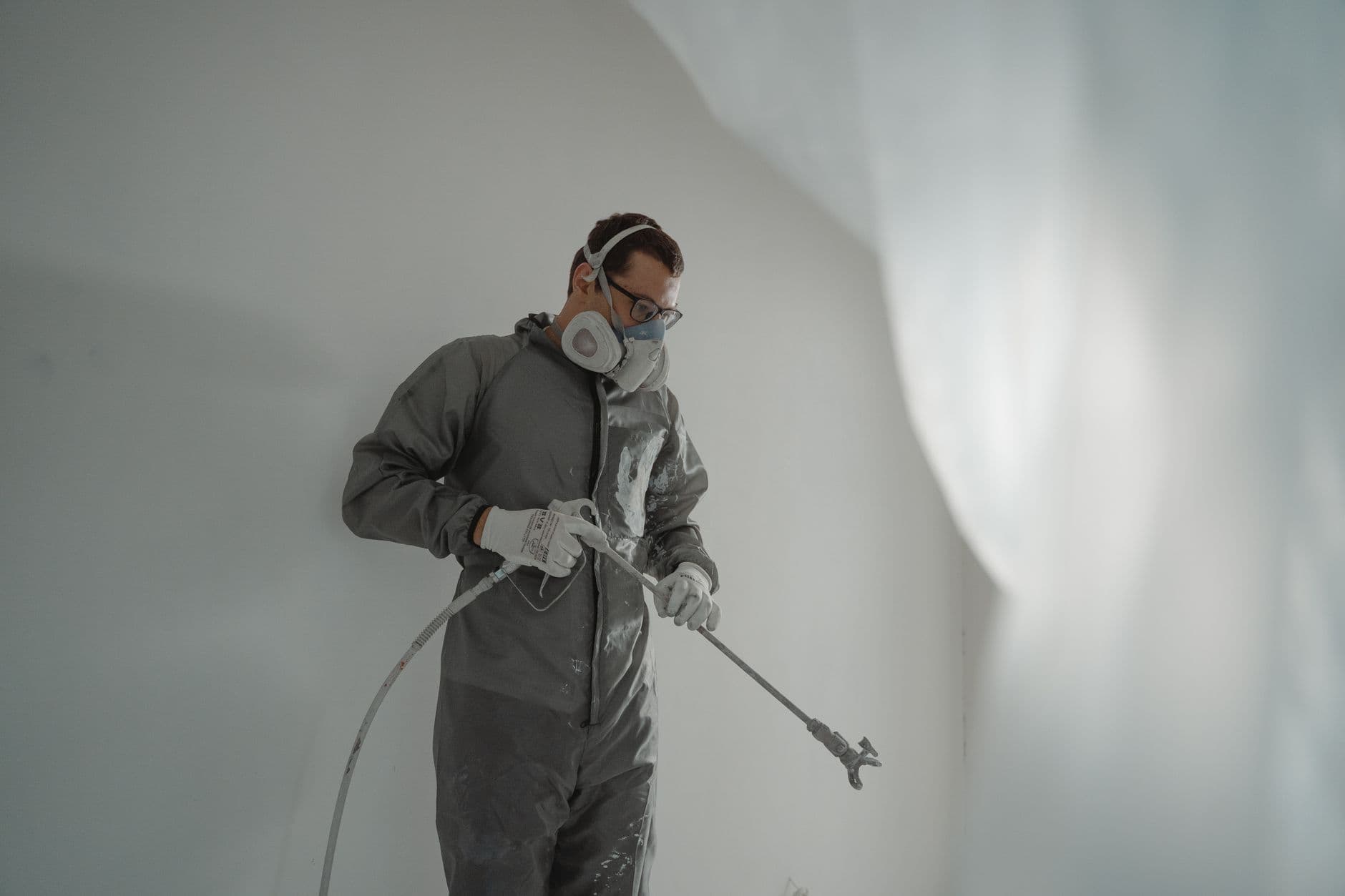
We prep the space, apply the foam, and leave you with a tighter, drier building.
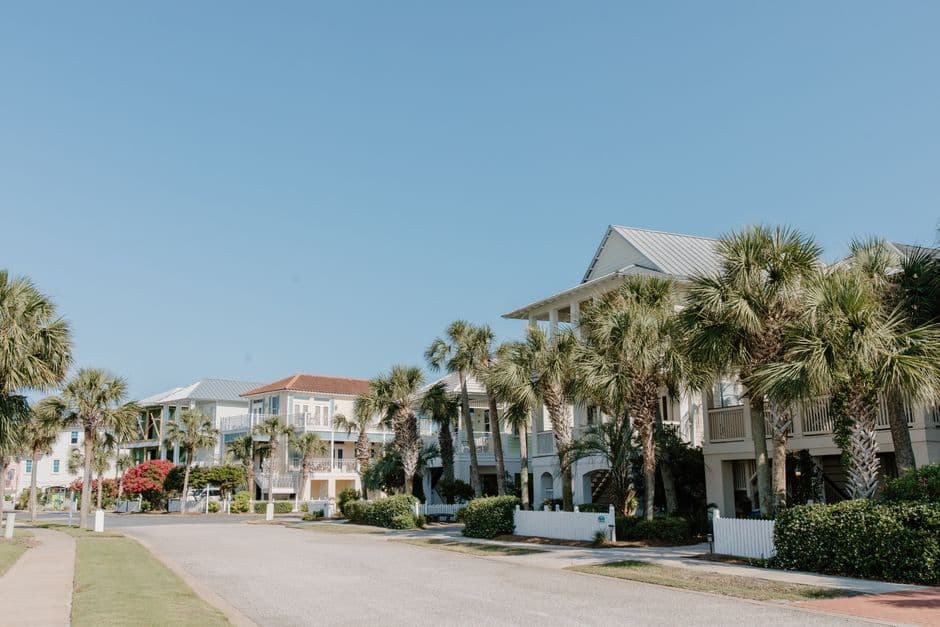
Lake Charles is home base, out to the Golden Triangle.
Tell us about your home or project and we'll get back to you, usually within one business day.
The more detail you send, the tighter the quote comes back.
A single attic often runs $1,500 to $4,500, whole-home closed-cell work is usually $3,000 to $8,000, and new construction can reach $5,000 to $15,000 or more. The average insulation job in this market is around $2,890. Your written quote reflects your exact square footage and access.
Closed-cell is the regional standard here because the dense foam blocks moisture, adds structural strength, and shrugs off water if a storm pushes it into a wall. It carries a higher R-value per inch (about R-6 to R-7) and works as its own vapor barrier. Open-cell is softer and cheaper, with a lower R-value (about R-3.5 to R-4 per inch), and is a good fit for interior walls and conditioned attics where moisture control is less critical. We help you match the foam to the job.
Yes, and that is one of the biggest reasons people in this climate choose it. Spray foam seals the air leaks that let hot, humid Gulf air into your walls and attic, which is what drives condensation, musty smells, and mold growth. Closed-cell foam in particular resists moisture and does not absorb water, so it stays effective in a high-humidity environment that wrecks traditional batt insulation.
Lake Charles sits in climate zone 2, where the priority is keeping heat and humidity out rather than holding heat in. Typical targets are about R-13 to R-21 in walls and R-38 in the attic or roof deck. Because closed-cell foam delivers roughly R-6.5 per inch and also seals air leaks, you reach effective performance with less thickness than batts, while gaining the air seal batts cannot provide.
Yes. We cover the whole Southwest Louisiana corridor, including Sulphur, Westlake, Moss Bluff, Vinton, Jennings, Iowa, DeQuincy, DeRidder, and Leesville, plus Port Arthur across the Texas line. Don't see your town? Send a quote request and we will let you know.
Plain-English answers on cost, foam type, and attic R-value.
Spray foam does not cause moisture problems in Louisiana attics when installed right. What the concern is really about and what makes a job good or bad.
Spray foam insulation in Westlake and the rest of hot-humid climate zone 2A does not expire, and re-occupancy runs 2 to 24 hours by product data sheet. Sourced figures on lifespan, safety, humidity, and cost.
How to choose a spray foam contractor in Lake Charles: verify Louisiana licensing, manufacturer certification, board-foot pricing, and the re-occupancy plan.
Closed-cell spray foam is the standard for metal buildings in Southwest Louisiana. Why it stops condensation and rust, the R-value it hits, and real pricing.
Spray foam goes in at rough-in, before drywall. How closed-cell roof-deck foam builds the tightest, code-ready envelope for a new Louisiana home in Zone 2.
Spray foam costs, R-value targets, and permit rules for Sulphur, LA homes. What Calcasieu Parish code requires and why closed-cell wins in Gulf humidity.
Spray foam costs, Zone 2 R-value rules, and the Louisiana insulation certificate for Westlake, LA. What the permit office requires and how to compare bids.
What happens when spray foam goes into a Lake Charles home: the job-day timeline, prep and air sealing, how long the spray takes, and when you can move back in.
Tell us about the job and we'll come back with a written quote.